
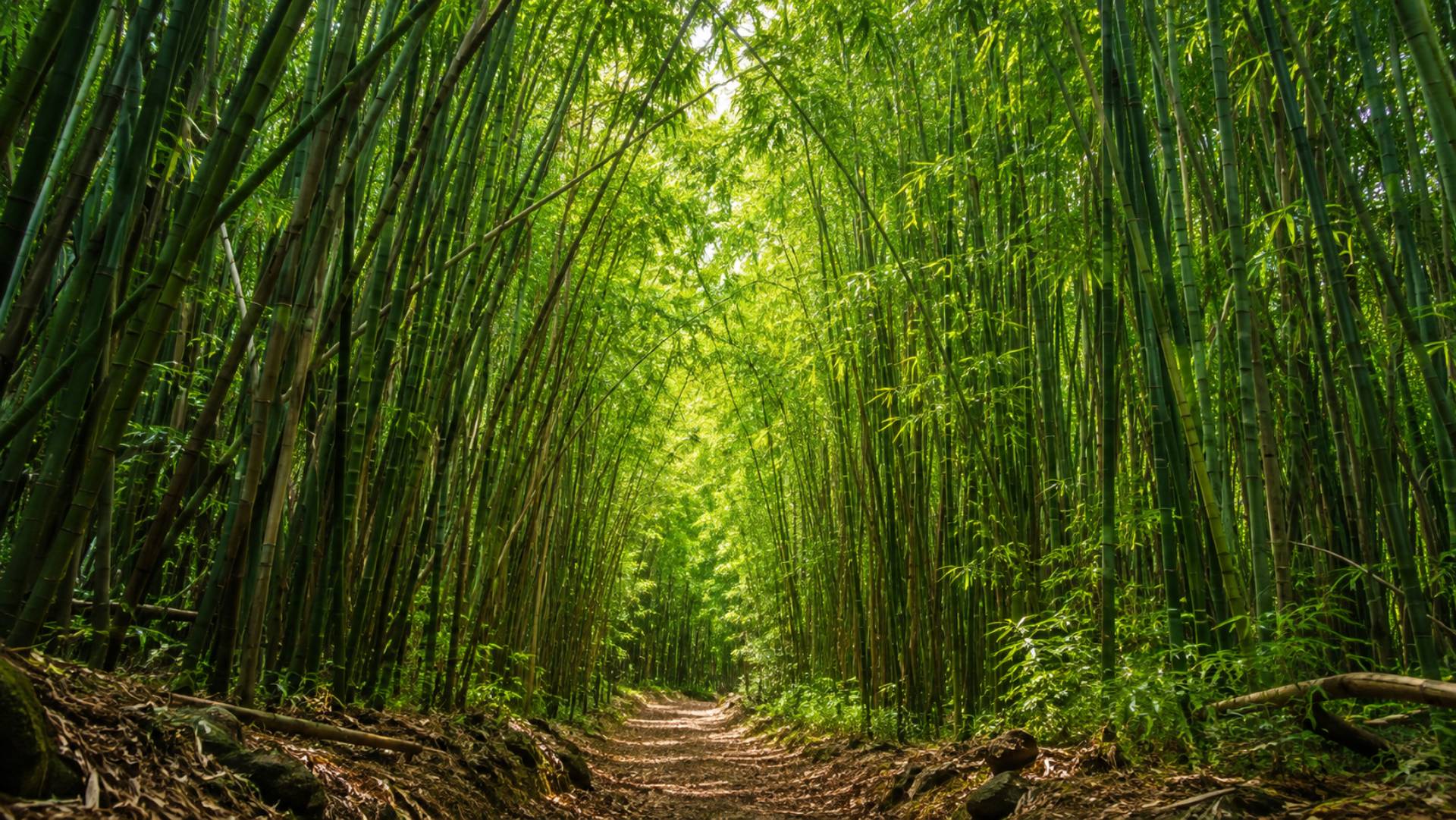
Maui’s Road to Hana is famous for winding coastal roads, waterfalls, lush valleys, and dramatic ocean views, but some of its most memorable scenery appears away from the shoreline. Bamboo forests create a distinctly tropical experience, with tall green stalks forming natural corridors above the trail and filtering sunlight into soft patterns. Exploring these areas adds a quieter, more immersive dimension to a Hana drive. For travelers who enjoy hiking, photography, and nature, understanding where bamboo grows, what to expect, and how to visit responsibly can make this iconic journey far more rewarding.
Why the Bamboo Forest Is Worth Exploring
The bamboo forest road to Hana experience offers a striking change from Maui’s open coastal scenery. Instead of panoramic ocean views, visitors encounter dense vegetation, cool shade, narrow paths, and the distinctive sound of bamboo moving in the breeze. The atmosphere can feel almost secluded, particularly in areas away from the busiest roadside stops.
Bamboo is especially impressive because of its scale. Some stands rise high above the forest floor, creating a green canopy that transforms ordinary hiking paths into natural tunnels. Depending on the location and weather, the forest floor may be damp, muddy, or slippery, so sturdy footwear is useful.
Finding Bamboo Along the Road to Hana
Where Bamboo Forests Appear
Bamboo grows in several lush areas around East Maui, particularly in regions receiving substantial rainfall. Travelers should understand that “the bamboo forest” does not necessarily refer to one officially designated attraction with a single entrance. Different trails, roadside areas, and hiking routes may feature bamboo.
One well-known area associated with bamboo is the Pipiwai Trail, located within Haleakalā National Park near the Kīpahulu District. This hike passes through a substantial bamboo section and continues toward Waimoku Falls. Conditions, access rules, and trail status can change, so checking official park information before setting out is wise.
What the Hike Can Be Like
A bamboo forest hike can range from a short walk to a longer trek depending on the route. Expect uneven ground, tree roots, wet sections, and changing conditions after rain. The tropical environment also means that insects and muddy paths are normal parts of the experience.
The reward is the scenery. Sunlight can break through the bamboo canopy in narrow beams, while the tall stalks create strong vertical lines that make photographs particularly dramatic. Listening to the forest is equally enjoyable, as rustling leaves and moving bamboo add to the peaceful atmosphere.
Planning Your Bamboo Forest Adventure
The bamboo forest road to Hana journey is best approached as a nature experience rather than a quick roadside photo opportunity. Allow enough time for parking, walking, photography, and unexpected delays. The Road to Hana itself contains numerous curves and narrow sections, so rushing between stops can reduce both enjoyment and safety.
Before leaving, check weather conditions and any official access notices. Heavy rainfall can increase the risk of slippery trails, falling branches, or temporary closures. Cell service can also be inconsistent in remote sections, making preparation important.
Practical Tips for Visitors
- Wear shoes with dependable traction, particularly after rainfall.
- Carry enough drinking water for your planned hike.
- Bring insect repellent and sun protection.
- Pack a light rain layer because East Maui weather can change quickly.
- Stay on established trails and obey posted signs.
- Avoid climbing on bamboo, trees, fences, or other natural features.
- Carry out all trash and leave plants, rocks, and wildlife undisturbed.
- Give yourself extra driving time because Road to Hana traffic can be slow.
- Check official trail and park conditions before beginning a hike.
- Keep valuables secure and avoid leaving unnecessary items visible in vehicles.
Photography Tips for the Bamboo Forest
Capturing the Green Canopy
Bamboo forests offer excellent opportunities for atmospheric photography. Rather than photographing only individual stalks, look for compositions that show the height and density of the vegetation. A path disappearing beneath the canopy can create depth, while backlighting can emphasize the translucent quality of bamboo leaves.
Early or later daylight often produces softer illumination, although changing cloud cover can also create beautiful conditions. After rain, droplets on leaves can add texture and reflect available light. Keep equipment protected from moisture, especially during sudden showers.
Respecting Maui’s Natural Environment
Visitors have an important role in protecting Maui’s forests. Tropical ecosystems can be sensitive to trampling, litter, unauthorized shortcuts, and the spread of invasive species. Staying on designated paths helps protect vegetation and reduces erosion.
Responsible travel also means respecting private property and local communities. Not every attractive roadside area is a public hiking destination. If access is unclear, choose an established trail or officially managed site rather than crossing barriers or entering restricted land.
What to Expect on the Road to Hana
The bamboo forest is only one part of a much larger journey. Along the route, travelers may encounter waterfalls, black-sand beaches, botanical gardens, scenic overlooks, freshwater pools, and rainforest landscapes. Because attractions are spread across a long, winding route, selecting a few priorities is often more enjoyable than attempting to stop everywhere.
For travelers who want a deeper nature experience, combining a bamboo hike with another established trail can provide a better sense of East Maui’s diverse landscape. However, hiking ability, weather, trail conditions, and available daylight should always influence the plan.
A Forest Worth Remembering
A bamboo forest can become one of the most memorable experiences on a Maui adventure because it reveals a quieter side of the Road to Hana. Towering stalks, filtered light, tropical rain, and peaceful trails create scenery that feels completely different from the island’s beaches and viewpoints. With sensible preparation, respect for local access rules, and responsible hiking habits, visitors can enjoy this remarkable environment without damaging it. Take your time, stay aware of changing conditions, and let the forest become part of the journey rather than simply another stop.
Leave a Reply
You must be logged in to post a comment.