
Buying a home is often the largest financial commitment you will make in your lifetime. Whether you are eyeing a Victorian terrace near Abington Park or a modern family home in Wootton, the process of purchasing a house involves significant emotion and financial risk. While a property might look pristine on the surface during a twenty-minute viewing, hidden defects can quickly turn a dream purchase into an expensive nightmare. Understanding the local building landscape is essential to safeguarding your hard-earned capital.
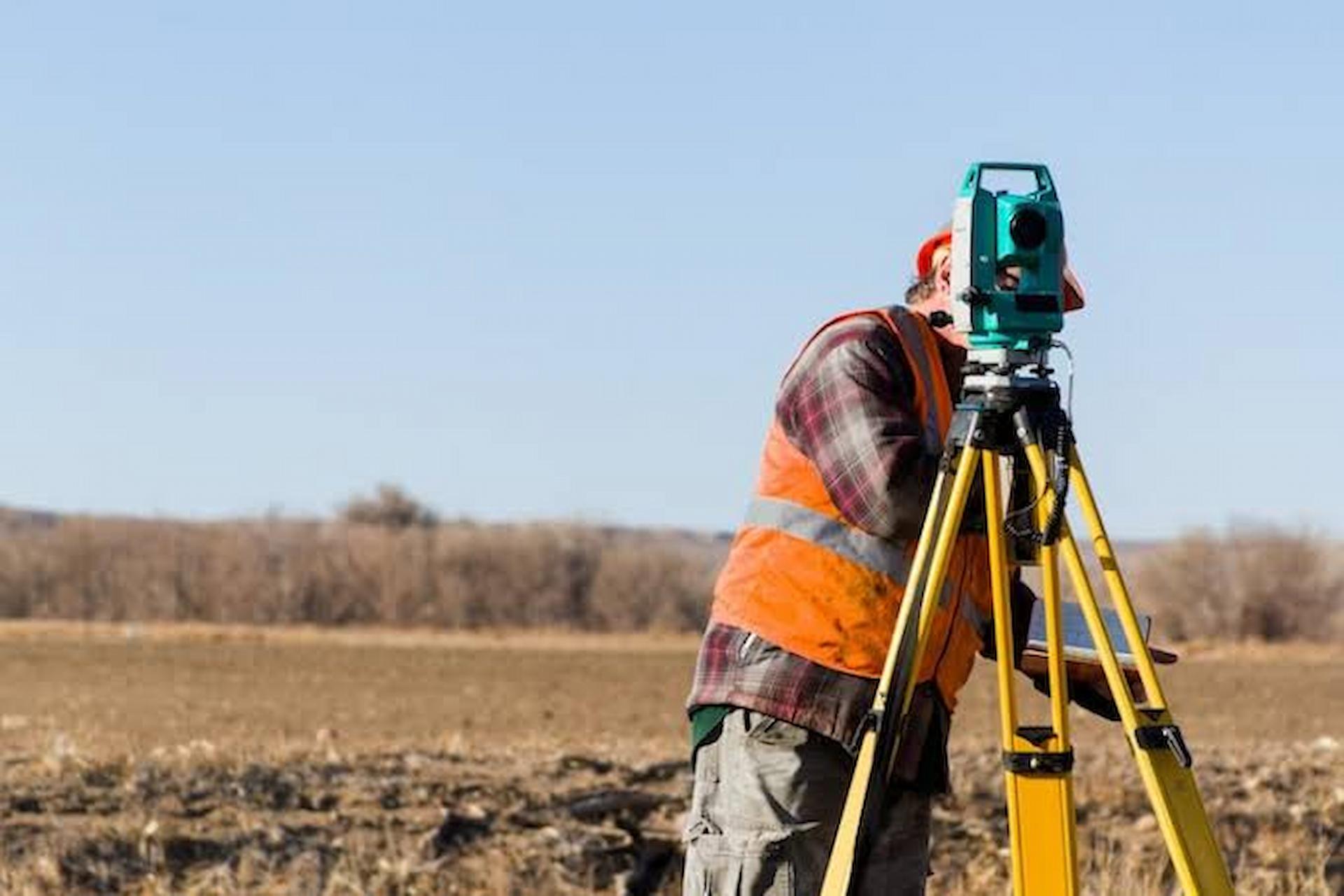
When planning a purchase in this vibrant market, knowing when to instruct a local expert is paramount. If you are preparing to make an offer or have just had one accepted, securing an independent assessment is the most effective way to identify structural issues early. For comprehensive peace of mind, you can find a qualified professional to conduct a thorough property survey Northampton https://www.michaelhornsby.co.uk/northampton-property-surveyor/ to ensure your investment is structurally sound and fairly valued.
Northampton boasts a diverse architectural heritage, ranging from historic footwear factory conversions to expansive post-war estates and contemporary developments. This variety means that local buildings face a wide range of structural challenges. For instance, older properties in areas like the Mounts often suffer from damp, timber decay, or inadequate historic foundations. Conversely, newer builds might exhibit poor workmanship or non-compliance with building regulations. A local professional understands these regional nuances, including the specific soil compositions and weather patterns that can cause subsidence in Northamptonshire.
There are several critical milestones in the property journey where professional advice becomes indispensable. If you are dealing with an older or heavily altered building, the risks multiply significantly. Before finalizing any contracts, instructing an experienced property surveyor in Northampton https://www.michaelhornsby.co.uk/northampton-property-surveyor/ will give you a clear, objective analysis of the building’s true condition.
Recognizing the Red Flags during Viewings
While you do not need to be a builder to spot potential issues, knowing what to look out for during a viewing can help you decide when to request an urgent assessment. Certain signs indicate that a property requires immediate expert scrutiny:
- Hairline and Step Cracks: Small plaster cracks are common, but thick, diagonal cracks near windows and doors often signal structural movement or subsidence.
- Musty Odors and Staining: Damp is a persistent issue in UK homes. Peeling wallpaper, flaky plaster, or a distinct musty smell indicate water ingress or rising damp.
- Uneven Floors and Bending Roof Lines: If the floors feel sloped or the roof ridge sags, the building may have suffered historical settlement or structural timber failure.
- Missing Roof Tiles and Blocked Gutters: External maintenance defects often lead to internal issues. Trapped water can quickly rot roof timbers and damage external brickwork.
Choosing the Right Level of Assessment
The Royal Institution of Chartered Surveyors (RICS) provides different levels of reporting to match varying property ages and conditions. Selecting the correct level ensures you do not overpay for unnecessary detail, nor miss critical flaws.
A Level 2 Home Survey is ideal for standard, conventionally built properties constructed within the last fifty or sixty years that appear to be in reasonable condition. This report highlights urgent defects, issues that could affect the property value, and matters that need legal clarification. It uses a straightforward traffic-light system to rate the seriousness of different elements.
For older buildings, properties with unusual designs, thatched roofs, or those undergoing major structural alterations, a Level 3 Building Survey is essential. This is a comprehensive, in-depth analysis of the building’s fabric. The professional will inspect accessible loft spaces, look under floors where possible, and provide detailed advice on repairs, estimated costs, and the consequences of leaving defects untreated.
Saving Money and Stress Through Negotiation
An independent report is not just a list of faults; it is a powerful tool for financial negotiation. If a report reveals that a house requires five thousand pounds worth of roofing repairs and a new damp-proof course, you can use these findings to renegotiate the purchase price. Most sellers are reasonable when presented with an objective, professional document. Alternatively, you can request that the vendor fix the issues before the exchange of contracts.
Furthermore, relying solely on a mortgage valuation is a frequent mistake made by buyers. A mortgage valuation is conducted strictly for the lender’s benefit to ensure the property covers the loan amount. It is often a superficial inspection that does not protect the buyer from expensive structural failures.
Essential Checklist for Northampton Home Buyers
To make your property purchase as smooth as possible, consider this structured approach to managing your building checks:
- Verify Credentials: Always ensure your chosen professional is fully registered with RICS and holds adequate professional indemnity insurance.
- Inquire About Local Expertise: Choose someone who regularly works within Northamptonshire and understands local issues like limestone weathering or specific clay soil behaviors.
- Read Sample Reports: Request a sample document beforehand to ensure the language is clear, actionable, and free from excessive jargon.
- Coordinate with Your Conveyancer: Share the final report with your solicitor so they can investigate any legal issues raised, such as boundary disputes or missing building regulations approvals.
Securing Your Investment
Investing in independent advice before buying a home in Northampton protects you from unforeseen repair bills and provides immense peace of mind. By identifying structural faults, damp issues, and roofing defects early, you gain the clarity needed to make informed financial decisions. Do not leave the safety of your future home to chance; ensure an expert examines the fabric of the building before you sign on the dotted line.
Leave a Reply
You must be logged in to post a comment.