
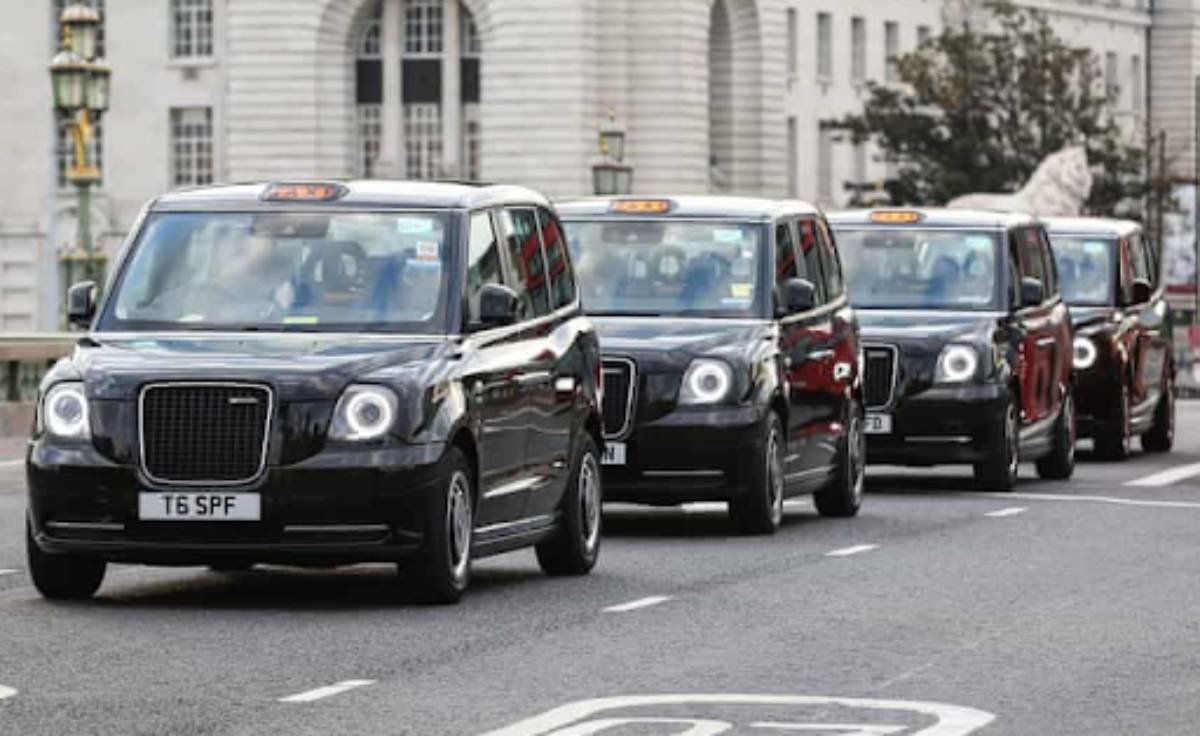
Vehicle rotation is one way to spread that workload. The idea is not to swap cars randomly. Vehicles should be assigned with regard to mileage, condition, service dates and the work planned for the shift. A balanced system can stop one reliable car becoming the default until it is overused.
Mileage is an obvious measure, but it is not the only one. Urban work can involve frequent braking and low-speed manoeuvring. Airport or long-distance work may add mileage quickly. Night work can mean different cleaning or inspection needs. Rotation should therefore consider the duty cycle rather than assuming that equal miles always mean equal wear.
Drivers have a practical role in making rotation work. At handover, they can report warning lights, tyre concerns, damage, unusual noises and cleanliness issues. In England, government best-practice guidance for taxi and private hire licensing says drivers should carry out a walkaround check before using a vehicle, and a driver taking charge later in the day should make sure it is roadworthy. Local licensing rules can vary, so fleets need procedures that fit the authority they work under.
Taxi fleets rarely stay exactly the same. Vehicles may be added or replaced, drivers can change, and the way the fleet operates may evolve over time. Taxi fleet insurance gives businesses a way to manage eligible vehicles and drivers under a shared commercial policy rather than handling each one separately. Keeping the insurer informed of changes remains important, particularly where they could affect eligibility, permitted use or the protection provided.
Rotation can also support maintenance planning. If a car is approaching a service point, managers can avoid assigning it to work that is likely to push it beyond the planned interval before the workshop booking. Another vehicle can take that duty while the first remains available for shorter jobs. The fleet gains more control over when maintenance happens rather than reacting after the schedule has already been disrupted.
The same thinking applies to electric taxis. Rotation may need to consider state of charge, expected journey length and access to charging. Sending the lowest-charge vehicle onto the longest duty because it happens to be first in the queue creates avoidable pressure. The best rotation rule is therefore linked to operational suitability, not a simple first-in, first-out system.
There are limits. Some vehicles may be licensed, equipped or configured for particular passengers or contracts. A wheelchair-accessible vehicle, for example, cannot always be swapped freely with another car if the booking requires that capability. Driver licensing and policy conditions may also restrict who can use a particular vehicle. Rotation should work within those constraints.
Insurance administration should follow any real fleet changes. A fleet policy may make it easier to manage several taxis together, but a vehicle added to the fleet, sold, replaced or taken permanently out of service still needs the correct policy action. A rota spreadsheet is not a substitute for an insurance record.
Balanced rotation can improve fleet data as well. If the same driver always uses the same car, a problem may be seen as a personal preference. When several drivers use the vehicle and report the same issue, the pattern is easier to recognise. That can help managers distinguish between a one-off comment and a recurring equipment concern.
The goal is not perfectly equal use. Some taxis will naturally cover more work because of specification, location or availability. The aim is to avoid unnecessary concentration and to keep assignments deliberate.
Taxi fleet insurance protects the fleet according to agreed cover, while vehicle rotation helps managers control how the physical assets are used. A thoughtful rotation plan can spread workload, support planned maintenance and give drivers a clearer reason for why a particular vehicle has been assigned to a particular shift.
Leave a Reply
You must be logged in to post a comment.